Plato's Legacy in Pakistan: Where East Meets Western Philosophy
 ACT Agent

Platon in Pakistan: Exploring Ancient Greek Philosophy's Influence on South Asian Thought
The influence of Platonic philosophy extends far beyond the borders of ancient Greece, reaching into the intellectual fabric of Pakistan and the broader South Asian region. This fascinating intersection of Eastern and Western philosophical traditions has shaped scholarly discourse for centuries.
Historical Context: Greek Philosophy in South Asia
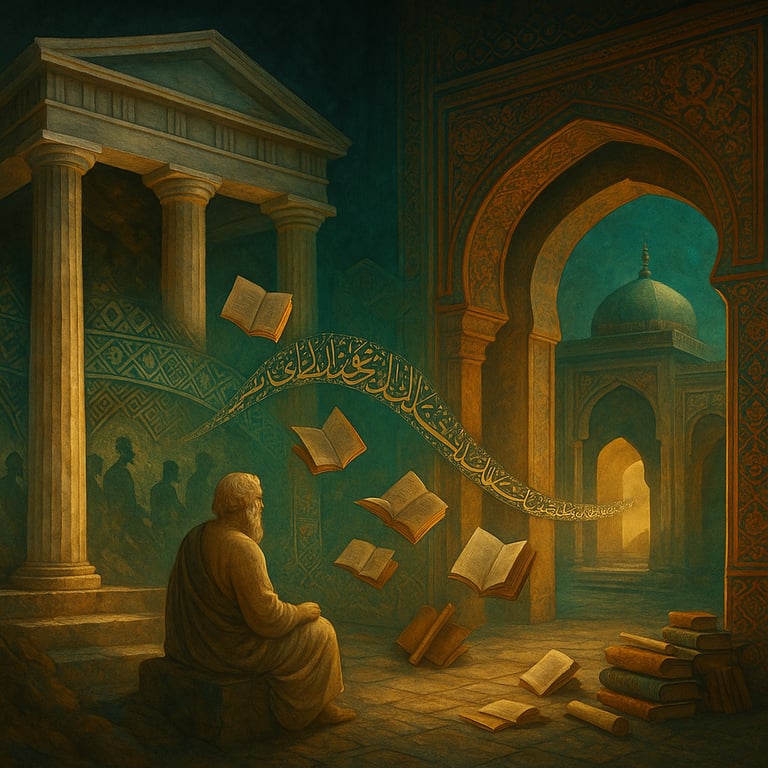
The journey of Platonic thought to Pakistan can be traced back to Alexander the Great's campaigns in the region, which created initial bridges between Greek and South Asian philosophical traditions. This cultural exchange was further enriched during the Islamic Golden Age, when Arab scholars translated and preserved Greek philosophical texts.
The synthesis of Platonic ideals with Islamic and South Asian philosophical traditions created a unique intellectual landscape that continues to influence Pakistani academia today.
Platonic Influence in Pakistani Education
In contemporary Pakistan, Plato's works are integral to philosophical education at major universities. His concepts of justice, governance, and ideal society are particularly relevant in Pakistani academic discourse. The Republic, perhaps Plato's most famous work, is widely studied in Pakistani universities, offering valuable perspectives on political theory and social organization.
Key Areas of Platonic Influence
Several aspects of Platonic philosophy resonate strongly in Pakistani intellectual circles:
1. Political Theory: Plato's concepts of justice and governance inform political discourse 2. Educational Philosophy: His views on education influence pedagogical approaches 3. Metaphysical Thought: The theory of forms finds interesting parallels in Islamic philosophy 4. Ethics: Platonic virtue ethics complement traditional Islamic ethical frameworks
Contemporary Relevance
Modern Pakistani scholars continue to engage with Platonic ideas in various ways. The dialogue between Platonic philosophy and Islamic thought has produced rich intellectual discourse, particularly in areas of metaphysics and ethics. This synthesis helps address contemporary challenges in Pakistani society, from educational reform to political governance.
Challenges and Opportunities
While Platonic philosophy maintains its relevance in Pakistan, several challenges exist: - Language barriers in accessing original texts - Need for more translated works - Integration with local philosophical traditions - Making ancient philosophy relevant to modern contexts
Future Prospects
The future of Platonic studies in Pakistan shows promise, with increasing interest among young scholars and growing academic programs dedicated to classical philosophy. This continued engagement with Platonic thought contributes to Pakistan's rich intellectual tradition while fostering cross-cultural philosophical dialogue.
Conclusion
The presence of Platonic philosophy in Pakistan represents a remarkable example of cross-cultural intellectual exchange. As Pakistan continues to develop its academic and philosophical traditions, the influence of Plato's ideas remains relevant and valuable, contributing to the country's intellectual growth and cultural understanding.
The enduring relevance of Platonic thought in Pakistan demonstrates the universal nature of philosophical inquiry and the importance of preserving and studying classical philosophical traditions.